

How IPTV Technology Works
IPTV works by delivering television content through Internet Protocol instead of traditional cable or satellite signals. Content is sent in data packets and streamed directly to your device in real time. Unlike traditional TV broadcasting, IPTV allows users to request specific content when they want to watch it.

IPTV Content Delivery Methods
Live TV Streaming Live channels are streamed in real time using dedicated servers. This allows users to watch sports events, news, and live programs without delay. Video on Demand (VOD) VOD allows users to select movies or TV shows from a library and watch them anytime. Time-Shifted TV This feature lets users replay previously aired programs
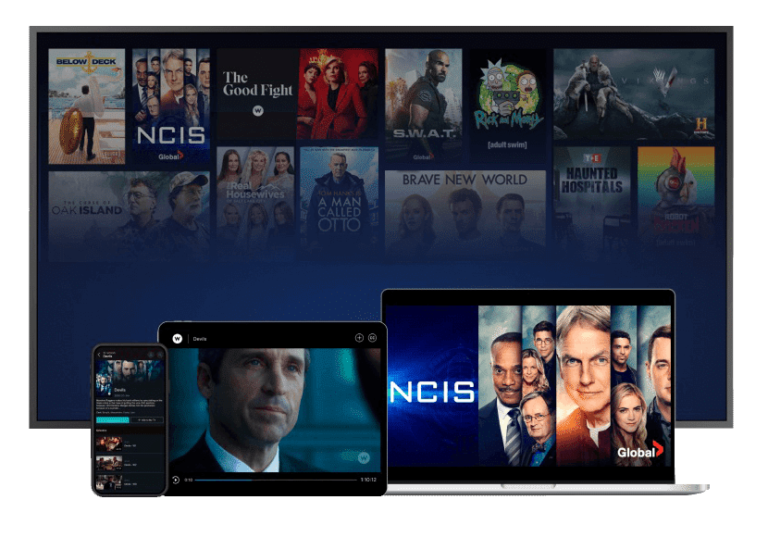
Devices Used for IPTV
IPTV works on many devices, including: Smart TVs Android TV boxes Smartphones and tablets Computers (Windows & Mac) A stable Internet connection is required for smooth streaming.

IPTV Servers and Internet Requirements
To work properly, IPTV requires: High-quality servers Stable Internet connection Recommended speed: 15–25 Mbps for HD streaming Poor connections often cause buffering issues.
Is IPTV Technology Legal?
IPTV as a technology is legal. However, legality depends on content licensing and regional laws.